Ecotourism represents much more than a simple travel modality. It’s a global movement that is evolving the way people relate to nature, seeking historical experiences that combine adventure, environmental awareness, and sustainable development. In this complete guide, you will discover everything about ecotourism: from its concept and types to the best examples of destinations and activities in Brazil.
What is considered ecotourism?
According to the Ministry of Tourism and EMBRATUR (Brazilian Tourism Institute), ecotourism is defined as “the segment of tourism activity that sustainably uses natural and cultural heritage, encourages its conservation, and seeks to foster environmental awareness through environmental interpretation, promoting the well-being of the populations involved.”
Concept and Fundamentals:
Ecotourism is not simply “tourism in nature.” It is a travel philosophy based on three essential pillars:
- Environmental Conservation: True ecotourism not only avoids damage to the environment, it actively contributes to its preservation. Part of the revenue generated by ecotourism activities should be reinvested in conservation, reforestation, and endangered species protection projects.
- Education and Environmental Awareness: Unlike conventional tourism, ecotourism aims to educate visitors about the importance of biodiversity, ecosystems, and the need for preservation. Each experience should be a learning opportunity about nature.
- Well-being of Local Communities: Authentic ecotourism directly benefits the populations living in the visited regions, generating income, valuing traditional cultures, and encouraging local leadership in the management of natural resources.
Essential Characteristics:
For an activity to be truly considered ecotourism, it must present:
Low Environmental Impact:
- Minimal use of non-renewable natural resources
- Reduced waste generation
- Respect for the carrying capacity of ecosystems
- Infrastructure that integrates harmoniously with the environment
Direct Contact with Nature:
- Authentic experiences in natural environments
- Observation of fauna and flora in their habitats
- Experiencing natural rhythms and cycles
- Sensory connection with natural elements
Environmental Interpretation:
- Presence of specialized guides
- Information on ecology and biodiversity
- Historical and cultural context of the visited areas
- Learning about natural processes
Economic Sustainability:
- Income generation for local communities
- Valuation of regional products and services
- Creation of green jobs
- Fair distribution of economic benefits
Cultural Respect:
- Valuing local traditions and knowledge
Respectful interaction with communities
Preservation of intangible cultural heritage
Support for authentic cultural expressions
What are the types of ecotourism?
Ecotourism is vast and adapts to the profile of each traveler. There are several activities that can be integrated into the itinerary, depending on the ecosystem visited. Some common examples include:
Wildlife and Flora Observation: Perfect for those who love photography and want to see exotic species in their natural habitat.
Adventure Tourism: When ecotourism meets adrenaline in activities such as rappelling, canoeing, and long-distance trails.
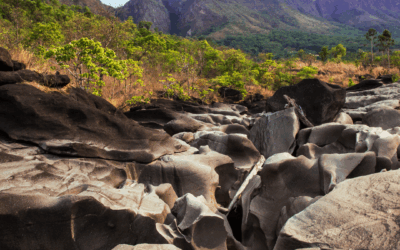
Geotourism: Focused on the appreciation of geological formations, such as the canyons and crystals of Chapada dos Veadeiros.
Star Observation Tourism: A growing modality in areas with clear skies and low light pollution.
What is the Difference Between Tourism and Ecotourism?
Although both involve travel and experiences, conventional tourism and ecotourism have fundamental differences in philosophy, practices, and impacts.
Conventional Tourism:
Main Characteristics:
- Objective: Entertainment, relaxation, rest
- Focus: Comfort and amenities
- Infrastructure: Large scale, often invasive
- Environmental Impact: Frequently high and unmitigated
- Relationship with Locality: Superficial, consumerist
- Education: Minimal or nonexistent
- Local Benefit: Concentrated in large companies
Examples:
- All-inclusive resorts isolated from communities
- Mass tourism on densely populated beaches
- Conventional cruise ships
- Artificial theme parks
- Overcrowded tourist cities
Direct comparative:
| Aspect | Conventional Tourism | Ecotourism |
|---|---|---|
| Motivation | Leisure and entertainment | Connection with nature and learning |
| Destinations | Cities, resorts, theme parks | Preserved natural areas |
| Groups | Often large | Small (with respect to load capacity) |
| Consumption | High resource consumption | Conscious and reduced consumption |
| Waste | High generation | Minimum generation, proper management |
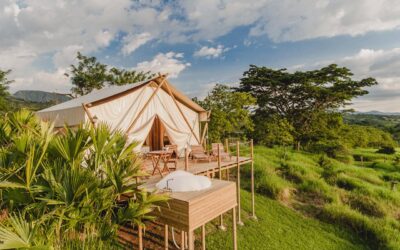
| Accommodation | Conventional hotels | Ecolodges, glamping sites, sustainable guesthouses |
| Food | International supply chains | Local and organic cuisine |
| Transport | Conventional, without environmental concern. | Lower-impact options |
| Activities | Swimming pools, shows, shopping | Trails, observation, cultural experiences |
| Education | Non-existent | Constant environmental interpretation |
| Cultural Impact | It can distort cultures. | It values and preserves traditions. |
| Financial Return | Focused on large companies | Distributed to communities |
What are the 3 types of tourism?
To understand where ecotourism fits in, it’s important to know the three major divisions of classic tourism:
- Leisure Tourism: Focused on rest and recreation (beaches, resorts, theme parks).
- Business and Events Tourism: Undertaken for professional reasons (fairs, congresses, meetings).
- Cultural Tourism: Focused on learning about historical heritage, arts, and traditions of a people.
Ecotourism straddles the line between leisure and culture, but with the ethical difference of environmental sustainability.
Ecotourism in Brazil
Brazil is undoubtedly the country with the greatest potential for ecotourism in the world. With six distinct biomes, we offer unparalleled biological diversity.
Top Ecotourism Destinations in Brazil:
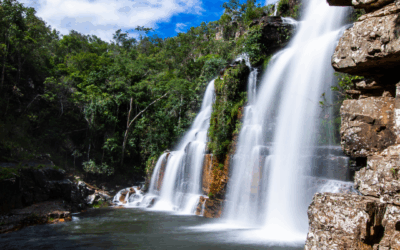
- Chapada dos Veadeiros (Goiás):
UNESCO World Heritage Site located in the heart of the Brazilian Cerrado:
Main attractions:
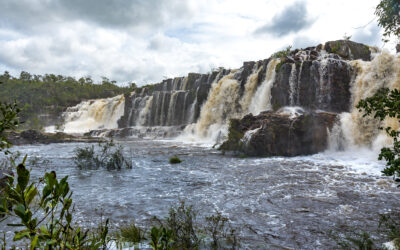
- National Park with waterfalls up to 120m high
- Valley of the Moon with rock formations 1.8 billion years old
- Couros Waterfalls with multiple cascades
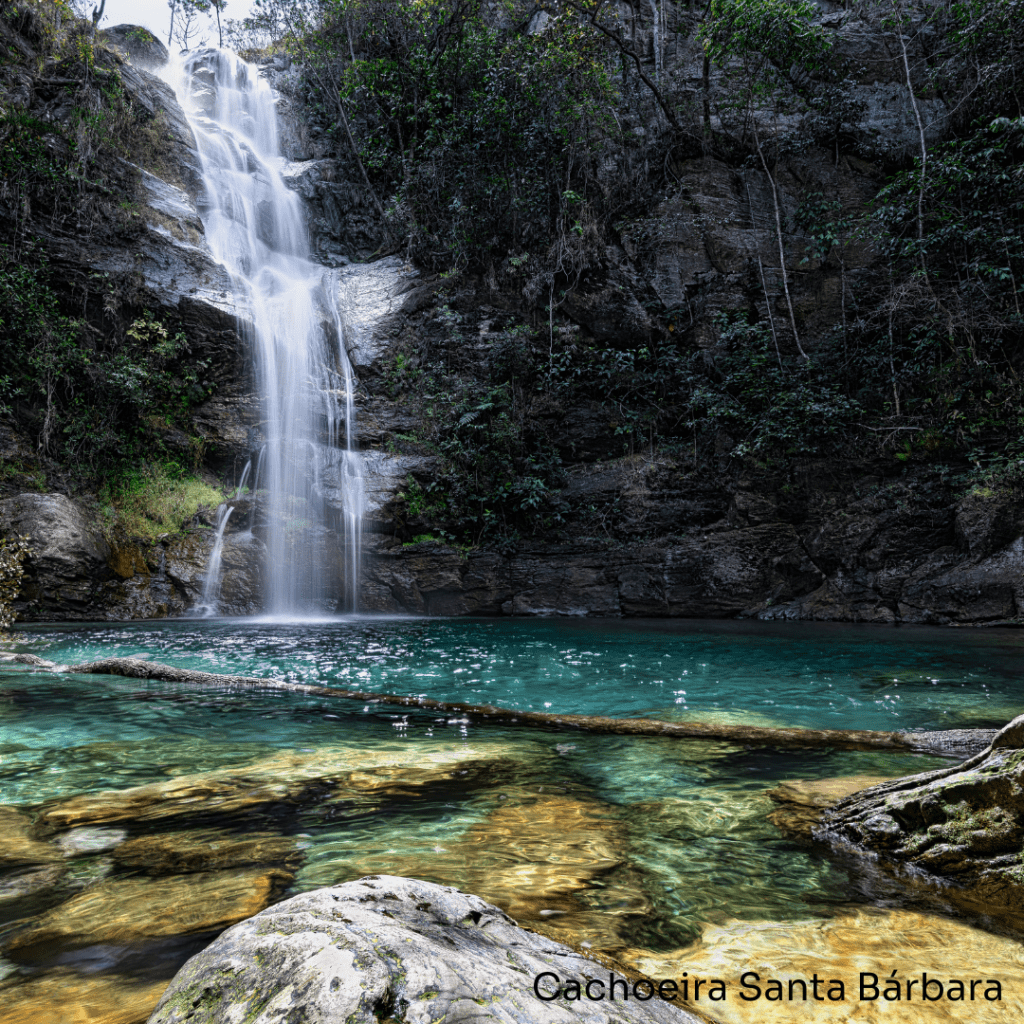
- Santa Bárbara Waterfall with turquoise waters
- Almécegas I and II Waterfalls
- Saltos Trail
2- Bonito (Mato Grosso do Sul):
Elected several times as the Best Ecotourism Destination in Brazil:
Main attractions:
- Snorkeling in crystal-clear rivers
- Blue Lake Cave
- Anhumas Abyss (72m rappelling + snorkeling)
- Natural Aquarium
- Macaw Hole
3. Amazon (AM, PA, AC, RO, among others):
The world’s largest tropical rainforest:
Experiences:
- River expeditions
- Pink river dolphin watching
- Overnight stays in forest lodges
- Sport fishing
- Visits to riverside communities
- Unique wildlife observation
- Pantanal (MS and MT):
World’s largest wetland:
Exceptional Fauna:
- Largest concentration of wildlife in the Americas
- Alligators, capybaras, giant otters
- More than 650 species of birds
- Jaguars (best sightings in Brazil)
- Chapada Diamantina (Bahia):
Second largest national ecotourism park in Brazil:
Attractions:
- Vale do Pati (most famous trek in Brazil)
- Cachoeira da Fumaça (340m drop)
- Poço Azul and Poço Encantado
- Morro do Pai Inácio
- Numerous caves and caverns
- Fernando de Noronha (Pernambuco):
Paradise archipelago and World Heritage Site:
Experiences:
- Diving in crystal-clear waters
- Spinner dolphin watching
- Hiking trails with spectacular views
- Beaches among the most beautiful in the world
Glamping Hidden Treasure: Where ecotourism meets luxury
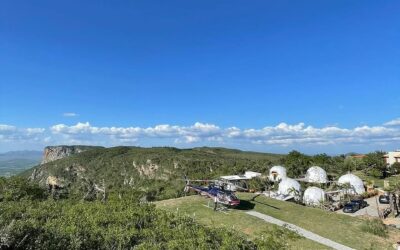
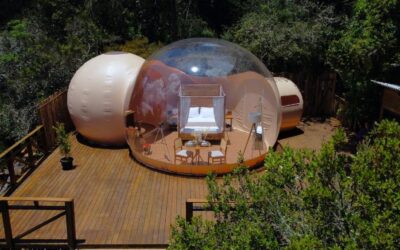
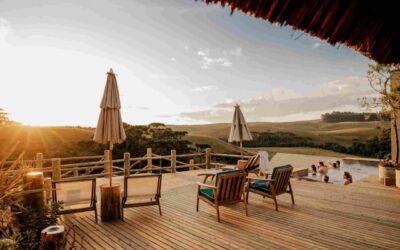
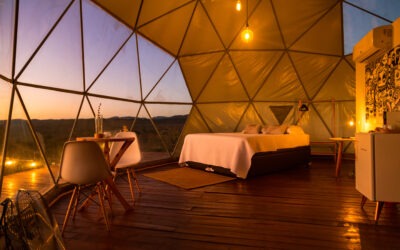
Many people still believe that ecotourism means giving up comfort, but Glamping Hidden Treasure was created to prove otherwise. Strategically located in Chapada dos Veadeiros, we offer the concept of Glamorous Camping.
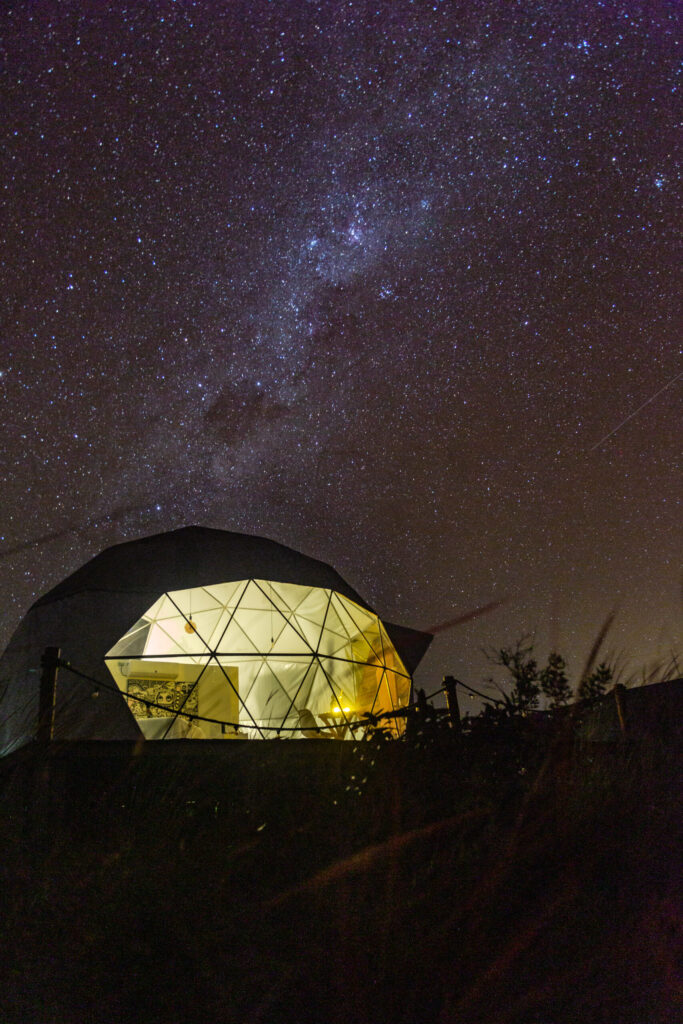
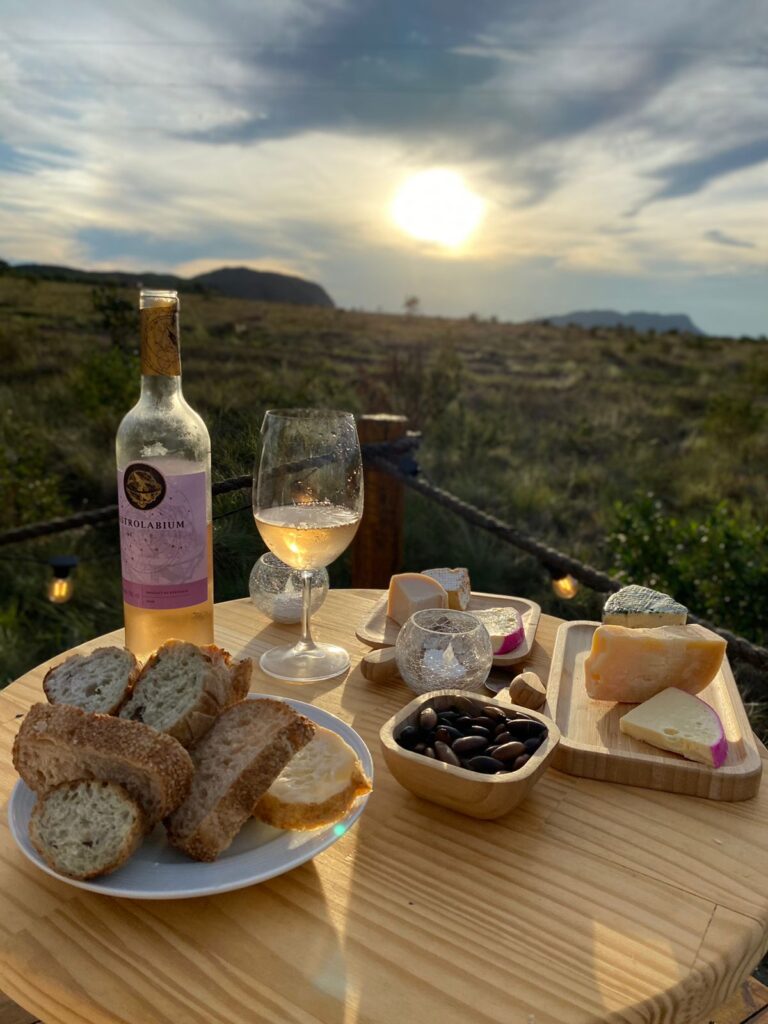
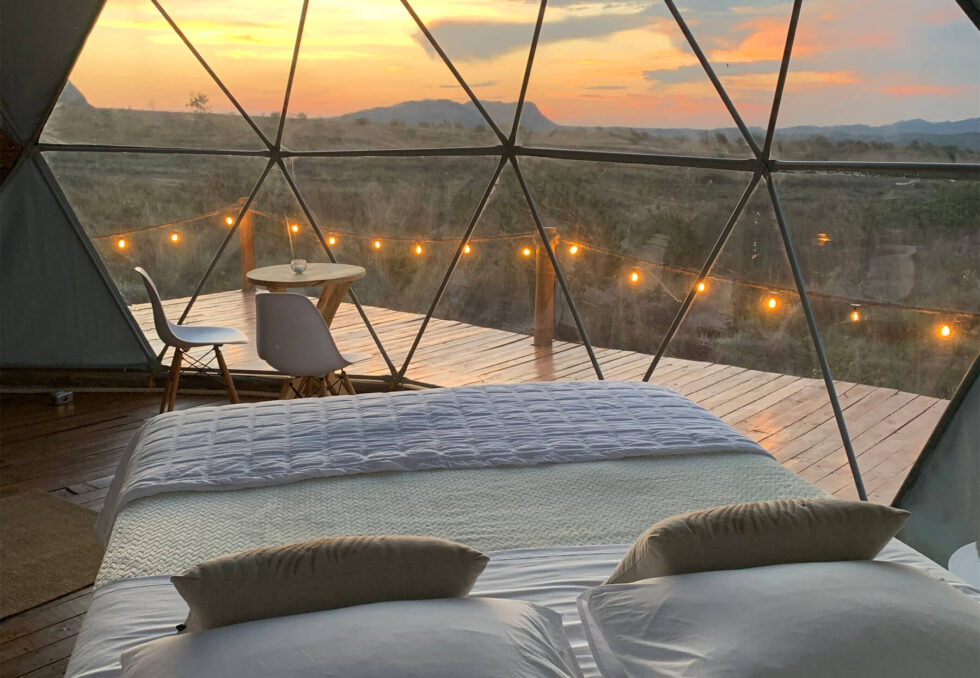
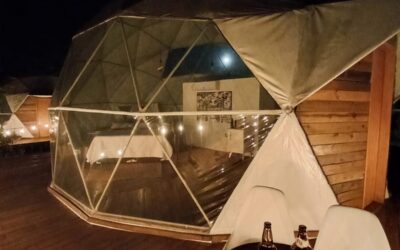
Here, you experience the best of ecotourism, such as observing an impeccable starry sky and direct contact with native vegetation, all without sacrificing a premium bed, sophisticated design, and total privacy.
Our accommodations allow you to explore the wonders of Chapada dos Veadeiros during the day and return to the refuge of a luxurious geodesic dome at night. It’s the perfect union between environmental preservation and the celebration of the senses.